Turnkey Business Transfers
Browse Japanese businesses sold with interiors, equipment and fixtures in place — known in Japan as "inuki" (turnkey) transfers. Ideal for buyers who want to open sooner and keep upfront costs down.
Market Insight
About Turnkey transfer (M&A & fixture transfers)
Related: Restaurant & hospitality M&A deals/Real estate M&A deals
Comparison
Turnkey / fixture transfer vs. Bare-shell build-out
Comparing the two ways to open a store makes it clear when a turnkey acquisition is the right fit.
By Category
Browse Turnkey transfer by By business type
Sorted by number of listings. Ask an advisor to see off-market deals in any field of interest.
Latest Deals
Latest Turnkey transfer deals
View all →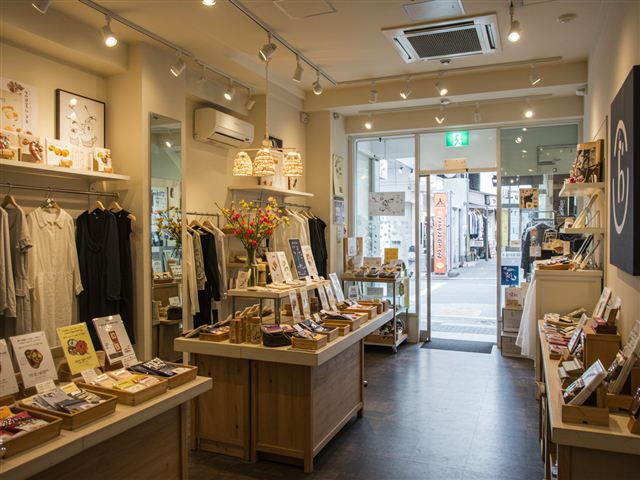
Fixtures Transfer (Turnkey Storefront) for Retail and Lodging Businesses
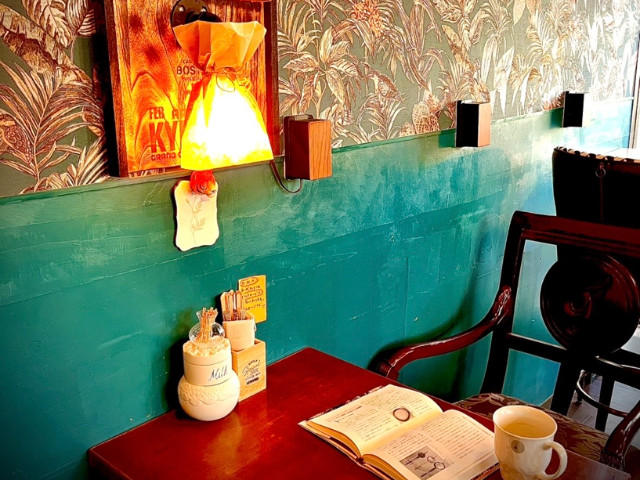
Café Successor Sought Near Senkawa Station (Sale / Turnkey Transfer Negotiable)

[Ready to operate / Turnkey] Nishi-Tokorozawa Unstaffed Sweets Shop - Business Transfer (Proven track record)

[Shin-Koshigaya / 3-Min Walk from Station] Body-Slimming Esthetic Salon Operation ●Fully Private Salon
There are currently 23 open deals. Even if few match your criteria, a free consultation with an advisor can introduce off-market Turnkey transfer deals not listed on the site.
By Area
Browse Turnkey transfer by area
Listing counts for major areas. Click to see search results for each area.
Checklist
What to check before taking over a Turnkey transfer business
Condition of interior, equipment & fixtures
Verify that key equipment works, its remaining value and any repair needs. Agree in advance how defects found at handover will be handled.
Equipment leases & outstanding debt
Check for unpaid balances or lease obligations on equipment and fixtures, and confirm in the contract whose name they are in and how they transfer.
Premises lease terms
Align with the landlord beforehand on transferring the lease, rent, security deposit, renewal terms and the scope of restoration obligations.
Licenses & regulatory compliance
Confirm the permits your business type requires (restaurant license, salon registration, clinic notification, etc.) and fire-code compliance. Changing the business type may require re-licensing.
Why the previous tenant left
Determine whether poor sales stemmed from structural factors such as location or customer mix, and build a realistic post-opening forecast.
Scope of the transfer
Clarify whether the deal covers fixtures only, or also goodwill, staff, suppliers and inventory, so the price reflects a shared understanding.
Price Guide
Turnkey transfer price guide
Fixture-transfer fees vary widely with location, equipment age, store size and earning power — there is no flat market rate. The actual price is shaped by a combination of the following factors.
Location & floor area
Properties near stations, in busy districts or with high visibility tend to be valued higher.
Equipment condition & age
The state and remaining value of key equipment, air conditioning and the interior feed directly into the price.
Earning power (if still operating)
A profitable store still in operation commands a premium for goodwill.
Scope of the transfer
The more that is included — staff, suppliers, inventory, brand — the higher the valuation tends to be.
Browse by deal size
Prices vary widely by deal. Check listings by price range to get a realistic sense of the market.
Who is it for
Who uses MANDA
Owners considering business succession
For owners without a successor who want to pass on a healthy business. MANDA helps you find the right partner among buyer candidates nationwide.
Buyers looking to grow
For companies seeking scale by acquiring strong businesses in the same industry. Advisors with sector expertise match you with the right deals.
Companies entering new markets
For companies exploring entry into a new industry. Many deals let you acquire an existing business together with its people and customer base.
How it works
The M&A / business succession process
- STEP 01
Consult an advisor
An advisor with industry expertise hears your goals and requirements.
- STEP 02
Deal matching
Shortlist candidates anonymously and align intentions with the other party.
- STEP 03
Due diligence
Detailed financial, legal, and business review, with terms negotiated in parallel.
- STEP 04
Agreement → Closing
Sign the letter of intent and the definitive agreement, then close.
FAQ
FAQ
QWhat is a turnkey (inuki) store transfer in Japan?⌄
QWhat should I check before taking over a turnkey store?⌄
QHow much does a turnkey store transfer cost?⌄
QHow does a turnkey transfer differ from a business transfer (M&A)?⌄
QDoes a fixture-only transfer count as M&A?⌄
QCan I take over the lease on a turnkey property?⌄
Related Industries
Related industries
Turnkey transfer M&A & business succession consultation
MANDA-certified advisors with deep industry knowledge help you find the best match, including off-market deals. Consultations are free — as many as you need.
Get a free consultation→