Electricity, gas, heat-supply and water businesses are regional infrastructure operators with highly stable, long-term revenue. At the same time, aging facilities, decarbonization investment and successor shortages have made succession an urgent issue for smaller operators, and consolidation M&A aimed at scale efficiencies is increasing — alongside entries from other sectors targeting renewable energy. Utility deals hinge on licenses under the Electricity and Gas Business Acts, securing certified chief engineers and safety supervisors, the regional supply footprint, and the valuation of large asset bases. MANDA supports matching that reflects these infrastructure-specific considerations.
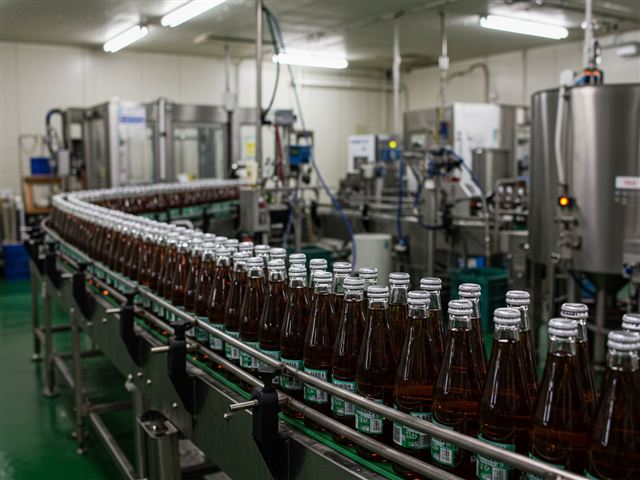
Employee Cafeteria Business Within an Infrastructure Company
KantoBeverages
Asking priceNegotiable
MANDA
30+ days ago
Hotel Just Off the Chiba IC, Good Infrastructure, Renovation for Inbound Tourists, and More!
KantoHotels & Ryokan
Asking price¥34.5M
MANDA
30+ days ago
【ICT機器販売からインフラ構築】システム開発・IT派遣まで担う実力派企業
KantoContract Software Development & SES
Asking priceNegotiable
MANDA
30+ days ago
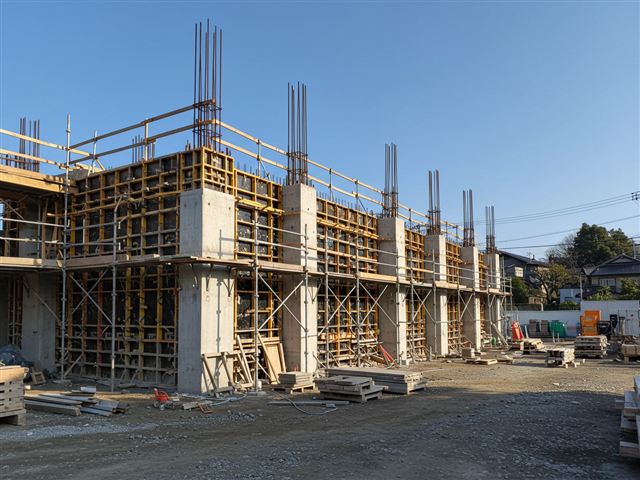
【専門診断に強み】インフラ改修から大規模修繕まで一括対応する建物再生の専門企業
ChubuConstruction
Asking price¥40M
MANDA
30+ days ago
関東地方主要物流拠点エリアの警備・ビルメンテナンス事業、大手との実績有
KantoSecurity Services
Asking priceNegotiable
Who is it for
Who uses MANDA
👤
Owners considering business succession
For owners without a successor who want to pass on a healthy business. MANDA helps you find the right partner among buyer candidates nationwide.
🚀
Buyers looking to grow
For companies seeking scale by acquiring strong businesses in the same industry. Advisors with sector expertise match you with the right deals.
🌱
Companies entering new markets
For companies exploring entry into a new industry. Many deals let you acquire an existing business together with its people and customer base.
How it works
The M&A / business succession process
STEP 01
Consult an advisor
An advisor with industry expertise hears your goals and requirements.
→
STEP 02
Deal matching
Shortlist candidates anonymously and align intentions with the other party.
→
STEP 03
Due diligence
Detailed financial, legal, and business review, with terms negotiated in parallel.
→
STEP 04
Agreement → Closing
Sign the letter of intent and the definitive agreement, then close.
FAQ
FAQ
QWhat matters most in a utility acquisition?⌄
Whether the operating licenses can be transferred, the roster of certified chief electrical or gas engineers, the maintenance state and renewal plans of supply facilities, the stability and locality of the customer base, and the safety-management regime. Because these businesses carry supply obligations, handing over a structure that can honor them comes first.
QWhen should a utility succession start?⌄
Before major facility renewals or decarbonization investments fall due, when the owner reaches their 60s without a successor, around license-renewal milestones, or before certified engineers age out. Given the supply obligation, a generous preparation period of two to three years is advisable.
QHow are utility businesses priced?⌄
Stable revenues are rewarded: adjusted net assets plus three to five years of operating profit is a common reference, flexed for depreciation status, contract continuity, the value of licenses and local exclusivity. Where aging facilities dominate, expected renewal spending is deducted — each business needs its own appraisal.
MANDA-certified advisors with deep industry knowledge help you find the best match, including off-market deals. Consultations are free — as many as you need.