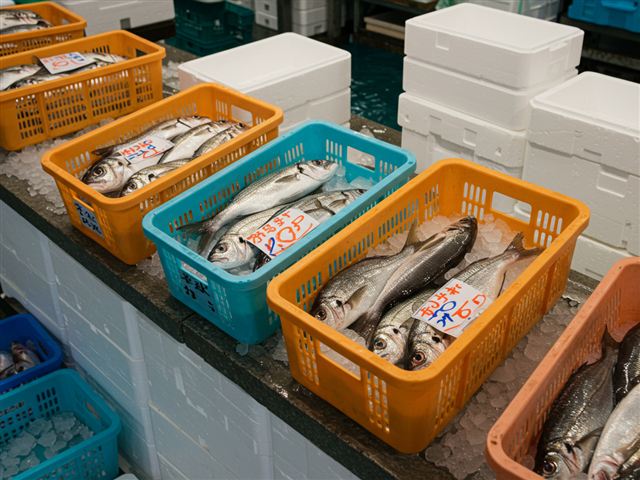
Japan’s fishing industry is aging fast — roughly 40% of workers are 65 or older — while new entrants remain scarce. Operations range from coastal and offshore fishing to set-net and aquaculture businesses, each governed by its own fishing-rights and licensing regime. Where owners once simply closed down for lack of a successor, more are now passing on fishing rights, operational know-how and sales channels through M&A. Key diligence points include whether fishing rights can be transferred, the condition of vessels and equipment, the relationship with the local fishery cooperative, and the continuity of catch records and customer contracts. MANDA supports matching that takes account of the sector’s regulations and local customs.
Fish Farming Business with Ties to Major Retail Chains
KyushuFishery
Asking price¥120M
MANDA
30+ days ago
Premium Seafood Wholesaler & Direct Retailer in Hawaii
OverseasFishery
Asking priceNegotiable
Who is it for
Who uses MANDA
👤
Owners considering business succession
For owners without a successor who want to pass on a healthy business. MANDA helps you find the right partner among buyer candidates nationwide.
🚀
Buyers looking to grow
For companies seeking scale by acquiring strong businesses in the same industry. Advisors with sector expertise match you with the right deals.
🌱
Companies entering new markets
For companies exploring entry into a new industry. Many deals let you acquire an existing business together with its people and customer base.
How it works
The M&A / business succession process
STEP 01
Consult an advisor
An advisor with industry expertise hears your goals and requirements.
→
STEP 02
Deal matching
Shortlist candidates anonymously and align intentions with the other party.
→
STEP 03
Due diligence
Detailed financial, legal, and business review, with terms negotiated in parallel.
→
STEP 04
Agreement → Closing
Sign the letter of intent and the definitive agreement, then close.
FAQ
FAQ
QWhat matters most in a fishery acquisition?⌄
Whether fishing rights and licenses can be transferred, the condition and renewal timing of vessels, gear and processing equipment, the handover of cooperative membership, the stability of past catches and earnings, customer contracts, and how crew skills will be passed on. Fishing rights in particular require approval from the local cooperative, so early confirmation is essential.
QWhen should a fishery succession start?⌄
Typical triggers are the owner reaching their 60s and feeling the physical strain, or a major vessel or equipment renewal looming. Plan around fishing-license renewals (usually every 5–10 years) and cooperative-membership matters, leaving enough time to transfer skills to the successor.
QHow are fishery businesses priced?⌄
A benchmark of two to five times annual operating profit is adjusted for the book and market value of vessels and equipment, the economic value of fishing rights, the quality of the fishing grounds and customer relationships. Small coastal operations may sell for a few million yen, while aquaculture and set-net businesses can fetch tens of millions or more.
MANDA-certified advisors with deep industry knowledge help you find the best match, including off-market deals. Consultations are free — as many as you need.